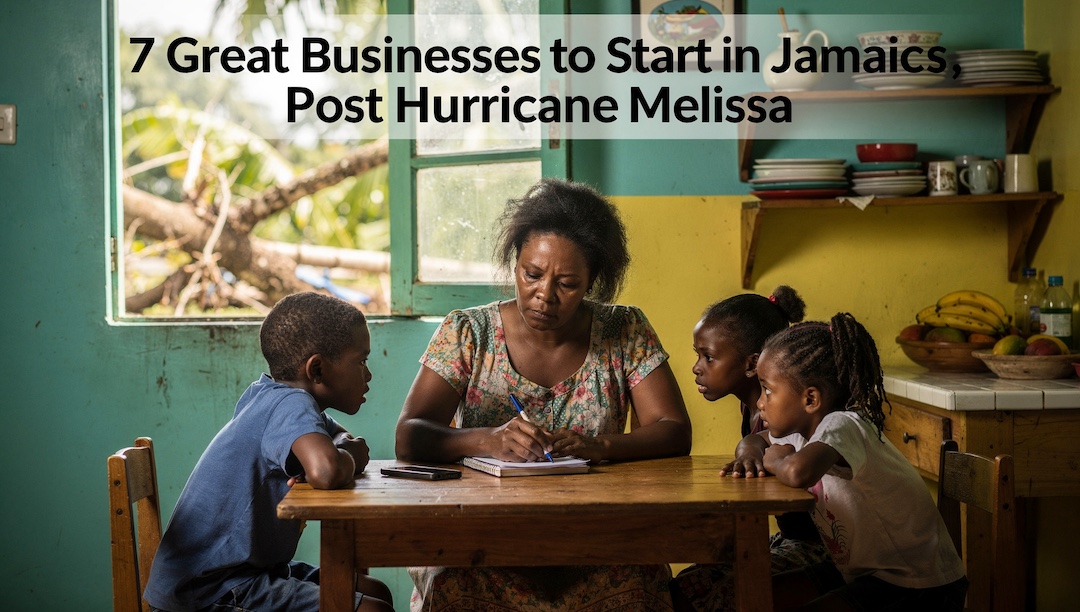
7 Great Businesses to Start in 2026 Post Hurricane Melissa
After Hurricane Melissa, many in Jamaica are searching for ways to rebuild their lives. Losing a job is tough, and starting a business with little money seems almost impossible. But the truth is, some of the best business ideas come when resources are limited.
The disaster has changed the landscape—people need new services, and communities are eager to support those who help.
This guide explores 7 great businesses you can start in Jamaica in 2026, even if you have almost no capital. Each idea fits the post-hurricane reality: high demand, low startup cost, and practical for someone who wants to work locally and help their community. You’ll find specific steps, tips, and examples to get started.
1. Home Repair And Cleanup Services
After a hurricane, homes and businesses are often damaged or filled with debris. Many people don’t have time or ability to fix everything themselves. Starting a home repair and cleanup business can be a strong opportunity.
You don’t need expensive tools to begin. Start with basic supplies: gloves, trash bags, a broom, and a shovel. Offer services such as:
Yard cleanup (removing branches, trash, and debris)
Basic repairs (fixing windows, doors, or fences)
Flood cleaning (removing water, drying out rooms)
You can advertise your business by walking around your neighborhood, posting flyers at local shops, or sharing your number on WhatsApp groups. Many Jamaicans trust word of mouth, so ask friends to recommend you.
A beginner often misses this: partnering with local hardware stores can help you get supplies at lower cost or even on credit. Another tip: offer to help elderly or disabled neighbors first—they often need urgent assistance and can refer you to others.
Startup Cost | Potential Earnings (Weekly) | Demand Level |
|---|---|---|
$7,500–$30,000 JMD (for basic tools) | $100,000–$250,000 JMD | Very High |
2. Mobile Food And Drink Service
Many people lose access to regular meals after a hurricane. Shops may close, and transportation becomes difficult. Starting a mobile food and drink service fills a big gap.
You don’t need a food truck—start small. Make simple meals (sandwiches, patties, rice and peas) or drinks (lemonade, coconut water) at home. Use a cooler and a basket to carry your goods. Sell at busy spots: markets, bus stops, or community centers.
A non-obvious insight: focus on nutritious, low-cost options. After disasters, people want filling, healthy food—not just snacks. You can also offer delivery for those who can’t leave their homes.
In Jamaica, food safety matters. Keep your area clean, wash hands often, and use fresh ingredients. If you’re unsure about local regulations, check with your parish council or look at the Ministry of Health.
Startup Cost | Potential Earnings (Daily) | Popular Items |
|---|---|---|
$30,000–$300,000 JMD (for ingredients) | $20,000–$50,000 JMD | Patties, sandwiches, juices |

Credit: www.youtube.com
3. Local Transportation And Delivery
After Hurricane Melissa, roads may be blocked and public transport is often unreliable. Many people need help getting groceries, medicine, or other essentials. If you have a bicycle, scooter, or even just strong legs, you can start a local delivery business.
Begin by offering to deliver for neighbors or shops. Charge a small fee for each trip. You can work with:
Pharmacies needing to send medicine to customers
Grocery stores delivering food to homes
Individuals needing to send packages
You don’t need a fancy app—just use WhatsApp or SMS to take orders. Print your phone number on simple cards and leave them at stores.
What beginners miss: grouping deliveries saves time and fuel. Plan your route so you deliver to several homes in one trip. Also, offer “emergency runs” for urgent needs—these can command higher fees.
Startup Cost | Potential Earnings (Weekly) | Best Tools |
|---|---|---|
$0–$20,000 JMD (if you already have a bike) | $15,000–$50,000 JMD | Bicycle, phone, backpack |
4. Community Childcare Services
After a disaster, many parents need help caring for their children while they rebuild or search for work. If you enjoy working with kids, community childcare is a high-demand business.
You can start by babysitting for neighbors, especially those working long hours. Offer group activities (reading, games, crafts) and keep children safe while parents are busy. You don’t need expensive toys—use local materials or teach Jamaican folk games.
A smart tip: partner with local churches or community centers. They often have space you can use for free or for a small fee. Get references from friends and always be clear about your experience.
Safety is key. Make sure your space is clean and secure. If you want to grow, consider basic training in first aid.
Startup Cost | Potential Earnings (Weekly) | Demand Level |
|---|---|---|
$0–$7,500 JMD (for snacks and supplies) | $30,000–$75,000 JMD | High |

Credit: www.threads.com
5. Clothing Repair And Alterations
Clothing gets damaged in storms, and buying new items is expensive. If you know how to sew, you can start a clothing repair business from your home.
Begin with simple repairs: patching holes, fixing zippers, resizing garments. Offer to help neighbors or advertise at local markets. You don’t need a sewing machine—hand sewing works for many jobs.
A non-obvious insight: offer emergency repairs for uniforms. Many Jamaicans need school or work clothes fixed quickly. You can also recycle old fabric into bags or masks, which sell well post-disaster.
If you don’t have supplies, ask local tailors for leftover fabric or tools. They may help or let you buy small amounts cheaply.
Startup Cost | Potential Earnings (Per Item) | Popular Services |
|---|---|---|
$7,500–$15,000 JMD (for needles, thread, fabric) | $10,000–$20,000 JMD | Patching, hemming, zipper repair |
6. Phone And Device Charging Service
After hurricanes, electricity is often out for days or weeks. People need their phones to stay in touch and get information. If you have access to a generator, solar charger, or even a car battery, you can offer a phone charging service.
Set up in a safe spot near your home or at a busy intersection. Charge a small fee per device (e. g. , $750–$1,000 JMD). If you have a solar panel, you can run this business almost for free.
A tip beginners miss: bundle charging with other services. Offer water, snacks, or Wi-Fi if possible. This attracts more customers and increases your earnings.
Be clear about safety—don’t overload your equipment. If you’re near a community center, ask if you can set up there for better visibility.
Startup Cost | Potential Earnings (Daily) | Best Equipment |
|---|---|---|
$15,000–$50,000 JMD (for charging tools) | $15,000–$30,000 JMD | Solar charger, generator, power bank |

Credit: www.al.com
7. Local Information And Assistance Service
After a hurricane, people need information about aid, job openings, and repairs. If you’re good at organizing and connecting people, start a local information service.
You can use your phone or a simple notice board outside your home. Share news about relief programs, local events, and jobs. Offer to help fill out forms or connect people with government or charity support.
A non-obvious insight: charge for premium services like job application help or government paperwork. Basic information should be free, but for more complicated tasks, you can earn a small fee.
You don’t need much to start—just a phone and reliable contacts. Partner with local leaders, churches, or schools to get accurate information.
Startup Cost | Potential Earnings (Weekly) | Best Tools |
|---|---|---|
$0–$5,000 JMD (for flyers, airtime) | $15,000–$30,000 JMD | Phone, notice board, contacts |
Tips For Starting With Little Money
Many people worry about not having enough capital. Here are simple tips for starting a business after Hurricane Melissa:
Use what you have: Start with your skills and any tools at home.
Partner locally: Work with shops, churches, or friends to share resources.
Keep costs low: Buy supplies only when needed. Avoid debt.
Advertise simply: Use WhatsApp, SMS, or word of mouth. Flyers and cards are cheap.
Build trust: Always be honest and reliable. Good reputation brings repeat customers.
Business Idea | Startup Cost | Main Skill Needed | Chance of Success |
|---|---|---|---|
Home Repair | Low | Physical work | Very High |
Mobile Food | Low | Cooking | High |
Delivery | Very Low | Reliability | High |
Childcare | Very Low | Caring for kids | High |
Clothing Repair | Low | Sewing | Medium |
Phone Charging | Medium | Basic tech | High |
Info Service | Very Low | Organizing | Medium |
Frequently Asked Questions
What Business Is Easiest To Start With No Money After Hurricane Melissa?
Local delivery is often the easiest. If you have a bike or can walk, you can start right away by helping neighbors get groceries or medicine. It needs almost no money and is in high demand.
How Do I Advertise My New Business In Jamaica?
Use WhatsApp groups, share flyers at markets and shops, and ask friends to spread the word. Word of mouth is very strong in Jamaica, so always deliver good service and people will recommend you.
Do I Need A License Or Permit To Run These Businesses?
Some businesses like food service may need a permit from the Ministry of Health. Others, like home repair or delivery, usually don’t require formal licensing, but check with your local parish council to be safe.
Can I Get Help Or Funding To Start My Business?
After disasters, organizations such as the Jamaican Red Cross and government agencies often offer small grants or tools. Keep an eye on local news and information boards for announcements.
What Mistakes Should I Avoid When Starting With Little Capital?
Don’t spend all your money on supplies before you have customers. Avoid taking loans unless you’re sure of steady earnings. Start small, build trust, and grow as demand increases.
Starting a business after a hurricane is challenging, but it’s also a chance to help your community and rebuild your life. With these ideas and practical steps, you can turn a difficult situation into a new opportunity. Remember, every big business starts small—use your skills, connect with others, and keep moving forward.